A Practical Guide to Choosing the Right Dining Chairs
The dining table may set the stage, but the chairs shape the experience. From comfort during long meals to how a room looks day after day, seating plays an outsized role in both function and design. Selecting the right chairs isn’t a matter of picking whatever looks good in a catalogue. It means thinking carefully about ergonomics, durability, materials, and how well the chairs fit into your home.
This guide explores what to consider before buying, offering straightforward advice you can use whether you’re furnishing your first flat, upgrading a family home, or refreshing a dining space after many years.
Why Dining Chairs Matter More Than You Think
Dining chairs see some of the heaviest use of any household furniture. They’re pulled in and out multiple times a day, leaned on, bumped into walls, and occasionally climbed on by children. Unlike a sofa, which people sink into, dining chairs must balance posture and comfort in a space where people eat, talk, and spend time together. Choosing poorly means dealing with constant wobbles, awkward angles, or discomfort that shortens meal times.
In short: a dining chair is not a throwaway item. Well-chosen chairs can last for decades, both in quality and in style.
Comfort Comes First
The most important factor is comfort. If people can’t sit happily for more than a few minutes, the chair isn’t doing its job.
- Seat height: Standard chairs are about 45cm tall at the seat, pairing with dining tables that are roughly 75cm. Too high, and knees press awkwardly into the underside of the table; too low, and arms sit uncomfortably high.
- Seat depth: Deeper seats suit taller individuals, but for shorter people they can make sitting upright difficult. A seat that allows the back to rest against the backrest while feet touch the floor is ideal.
- Backrest angle: A slightly angled back is more comfortable than one that’s completely vertical. Look for chairs that support rather than force posture.
- Cushioning: Upholstered chairs offer more comfort for long meals, but firm timber seats can still work well if shaped ergonomically.
Whenever possible, sit in a chair before buying. Ten seconds in a showroom is not a real test. Try to picture a leisurely meal or long chat over coffee.
Choosing the Right Materials
The material you choose determines not only the chair’s appearance but also how it wears over time.
- Wood: A classic choice, with natural warmth and durability. Hardwoods like oak and ash last longest and can be refinished if scratched. Softer woods like pine are more prone to dents.
- Upholstery: Fabric or leather adds comfort and style. Fabrics should be hard-wearing and ideally removable for cleaning. Leather develops patina over time but needs conditioning.
- Metal: Strong and often slimmer in profile, making it useful in modern or industrial interiors. Cold to the touch in winter, so cushions can help.
- Plastic or moulded composites: Lightweight, easy to clean, and often affordable. Popular in contemporary homes and with families.
Each has its pros and cons. The best choice depends on your lifestyle and how much maintenance you’re willing to handle.
Style and Design Considerations
Chairs should complement your dining table and overall décor, but that doesn’t mean they need to match perfectly. In fact, mixing styles often creates a more interesting and lived-in look.
- Matching sets: Traditional and cohesive, good for formal dining rooms.
- Mix-and-match: Combine two styles, for example, wooden chairs with fabric end chairs, to add character.
- Benches: Increasingly popular, especially in smaller homes. A bench on one side saves space and adds flexibility for seating.
Consider your wider space, too. In open-plan homes, dining chairs will be visible alongside sofas, shelving, or kitchens. Choose something that ties in rather than clashes.
Durability and Maintenance
Dining chairs take a lot of daily wear. Look for signs of quality construction:
- Solid joinery, such as mortise-and-tenon joints or dowels, rather than glued corners.
- Sturdy legs that don’t wobble.
- High rub-count fabrics if upholstered, which measure resistance to abrasion.
- Finishes that resist staining and can be wiped clean.
Maintenance matters. Upholstered chairs require more upkeep than timber, while intricate designs may trap dust or crumbs. Families with children or pets might prioritise wipe-clean materials.
Space and Scale
Before buying, measure carefully. Chairs should slide comfortably under the table and allow enough clearance for knees.
- Allow 60cm of width per person to avoid elbows clashing.
- For rectangular tables, a 180cm length comfortably seats six.
- For round tables, avoid oversized chairs that prevent proper spacing.
Also consider the footprint. Bulky armchairs look impressive but can make a room feel crowded. Armless chairs save space and are easier to tuck in.
Trends Worth Noting
While practicality comes first, design trends influence what’s widely available:
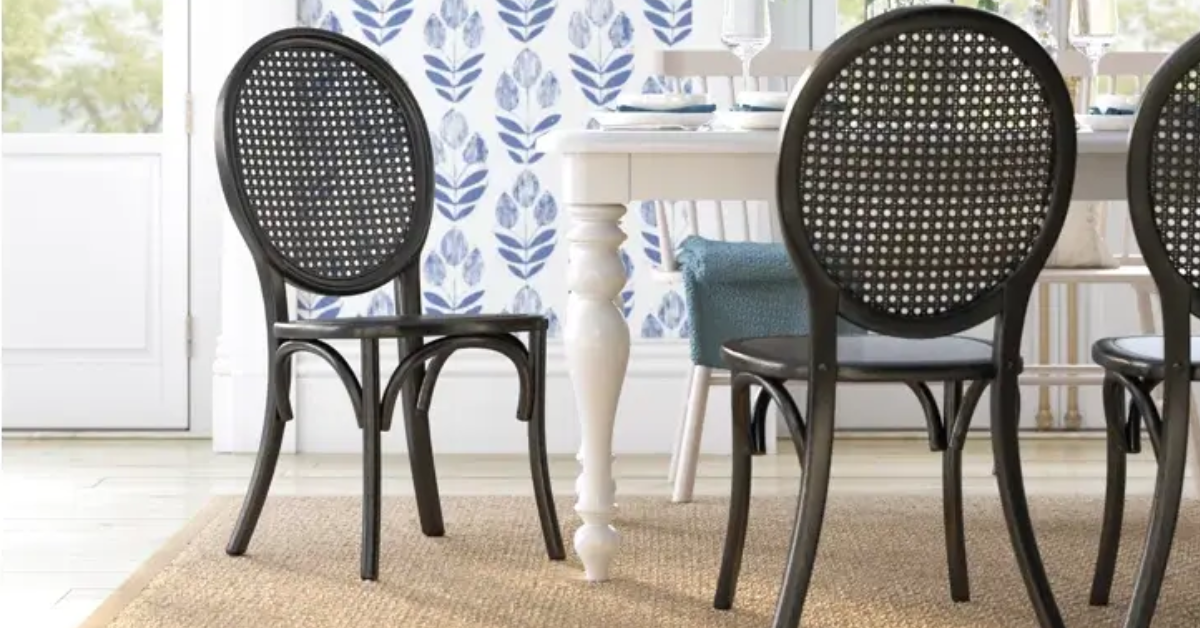
- Curved backs: Softer silhouettes are popular, offering comfort and a more relaxed appearance.
- Sustainable materials: Reclaimed wood, natural fibres, and eco-friendly finishes are gaining traction.
- Colour accents: Bold upholstery in jewel tones or earthy shades makes a chair a focal point.
- Minimal profiles: Slim metal frames and moulded seats suit contemporary spaces where lightness matters.
You don’t need to follow trends slavishly, but being aware helps refine your choices.
Everyday Practicalities
Beyond style and comfort, think about the realities of everyday use:
- Are the chairs easy to move for vacuuming or sweeping?
- Do they stack or tuck in neatly if space is limited?
- Will the finish handle spills from children, or should you opt for something more forgiving?
- Are replacement covers or cushions available if they wear out?
Small details like these often determine long-term satisfaction.
Budgeting and Value
Cheap chairs can look appealing, but often wobble or break within a few years. Spending a little more upfront usually means fewer replacements. Investing in premium dining chairs can be worthwhile if you prioritise durability, timeless design, and comfort. Think of it as spreading the cost across decades rather than years.
Final Thoughts
Dining chairs shape the way we gather, eat, and spend time together. Choose them with the same care you’d give to a sofa or bed, because they influence your comfort just as much. Focus on ergonomics, quality materials, and a style that fits naturally within your home. Done right, your dining chairs won’t just look good; they’ll make every meal feel more inviting and every conversation last a little longer.
Stay in touch to get more updates & alerts on VyvyManga! Thank you