Pressure Washing vs. Soft Washing: Which Is Best for Your Home?
Cleaning the exterior of your home isn’t just about aesthetics. It’s about protecting surfaces, maintaining property value, and extending the life of siding, decks, patios, and roofing materials. But as soon as you begin to research options, you’re likely to encounter two terms that sound similar but deliver very different results: pressure washing and soft washing.
Understanding the difference between the two isn’t just helpful—it’s essential to protecting your home’s materials and finishes. Use the wrong technique, and you could do more harm than good. Use the right one, and you’ll remove years of dirt, mold, mildew, and buildup in a matter of hours.
R&J Painting frequently helps homeowners choose between these two powerful cleaning methods. Here’s a deep dive into how each works, what they’re best suited for, and when to avoid them.
The Basics: What Is Pressure Washing?
Pressure washing uses a high-powered stream of water—typically between 2,000 and 3,200 PSI (pounds per square inch)—to blast away dirt, grime, mold, and stains from hard surfaces. It’s effective, fast, and, in the right hands, transformative.
This method is best for:
- Concrete driveways and sidewalks
- Brick patios and retaining walls
- Pavers and stone pathways
- Heavily soiled or stained surfaces (e.g., oil, paint residue, chewing gum)
Because it uses pure water pressure without relying on chemicals, pressure washing is ideal when brute force is required and delicate finishes aren’t at risk.
How Soft Washing Works
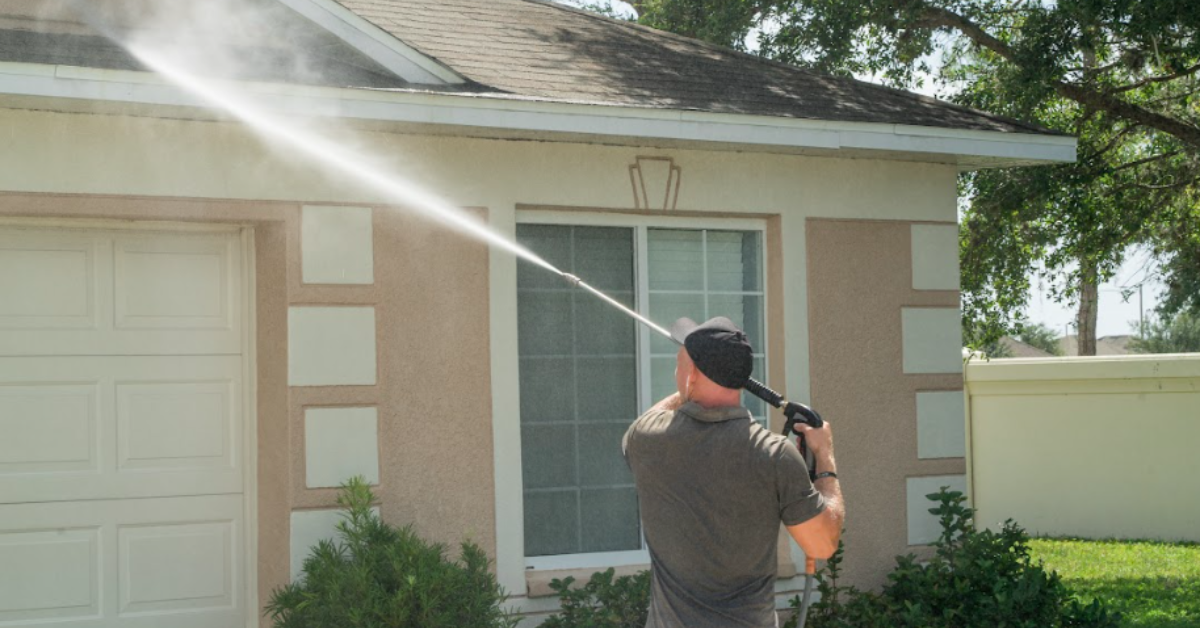
Soft washing, in contrast, relies on a gentler stream of water—usually under 500 PSI—combined with specialized cleaning solutions. These eco-friendly detergents break down mildew, algae, and other organic growths at the root, allowing them to be rinsed away with minimal pressure.
Soft washing is best suited for:
- Painted siding (vinyl, wood, or fiber cement)
- Stucco and EIFS (Exterior Insulation and Finish Systems)
- Roof shingles (especially asphalt)
- Fences and decks with aging paint or stain
- Outdoor furniture and screens
This approach is especially valuable when dealing with delicate surfaces that could be dented, cracked, or stripped by high-pressure streams.
Common Mistakes to Avoid
One of the most common exterior cleaning mistakes homeowners make is using pressure washing where soft washing is required. For example, applying high pressure to asphalt shingles can dislodge granules, reduce lifespan, and void warranties. Similarly, blasting wooden decks with full power can splinter boards, strip finishes, and force water deep into crevices, leading to long-term rot or mold.
Even concrete can be damaged if the pressure is too high or the technique too aggressive. Etching, pitting, and uneven surface degradation can result from untrained use.
Soft washing avoids these issues by treating organic matter chemically rather than mechanically—making it the safer choice for most exterior home cleaning needs.
Pressure Washing Myths
There’s a common belief that pressure washing is always the “stronger” or “better” option. But more pressure doesn’t always mean more effective cleaning. In fact, pressure alone doesn’t kill mildew or algae—it only removes the surface layer. The spores can remain in porous surfaces, causing the problem to return in weeks.
That’s where soft washing has the advantage: it eliminates organic contaminants at the source, slowing regrowth and offering longer-lasting results.
In short: if you want to clean dirt, pressure washing works. If you want to sanitize and protect, soft washing is often the smarter approach.
Cost and Time Considerations
Pressure washing tends to be quicker, especially for large surface areas. A wide driveway or patio can be cleared in under an hour with the right equipment and experience. However, because pressure washing often requires multiple passes for deep stains or growths, time savings may vary.
Soft washing may take slightly longer due to chemical dwell time (typically 10–15 minutes), but it generally requires fewer repeat cleanings, especially in humid or shaded environments where algae and mold grow quickly.
As for cost, both methods are fairly comparable, though soft washing may have slightly higher material costs due to the use of cleaning solutions. However, this is often balanced out by reduced wear and tear and extended time between services.
Environmental and Safety Factors
Both pressure and soft washing, when done professionally, are environmentally safe. However, runoff management is more critical with soft washing, due to the use of chemicals. Quality professionals will use biodegradable solutions and ensure proper dilution and disposal.
It’s also worth noting that pressure washing, when misused, poses a safety risk to users and nearby surfaces. The high-powered stream can cause injury or damage property if not carefully controlled. Soft washing, while not risk-free, is far safer and more controlled in residential settings.
The Role of Seasonal Maintenance
Exterior cleaning isn’t a one-and-done task. Depending on your region’s weather and your property’s surroundings (trees, moisture, shade, etc.), annual or semi-annual washing may be necessary.
- Spring: Ideal for removing winter grime, prepping for painting or staining, and refreshing curb appeal.
- Fall: Removes pollen, dust, and algae before winter moisture locks them in. Also helps prep gutters, siding, and decking for the cold season.
Soft washing is especially useful for pre-holiday cleaning or spring refreshes, while pressure washing shines when prepping for major painting or hardscape sealing projects.
Choosing the Right Approach for Your Home
Ultimately, the decision between pressure washing and soft washing comes down to two things: surface material and desired outcome.
Use pressure washing when:
- You’re cleaning durable hardscapes (driveways, stone walls, pavers)
- Organic growth isn’t the main issue
- You want fast, physical surface removal of dirt and debris
Use soft washing when:
- You’re cleaning paint, siding, roofs, or other delicate surfaces
- Mold, algae, and mildew are the primary concern
- You want longer-lasting results with less surface stress
R&J Painting offers professional guidance in selecting the right cleaning method for every surface of your home, ensuring beautiful results that respect both structure and environment.
Conclusion: Clean with Confidence, Not Just Force
Keeping your home’s exterior looking its best means understanding what lies beneath the surface. Pressure washing and soft washing both have their place—but knowing when and where to use each is the key to maintaining your home’s integrity and appearance.
With the right approach and the right team behind it, exterior cleaning doesn’t just improve how your home looks—it extends how long it lasts.
Stay in touch to get more updates & alerts on VyvyManga! Thank you