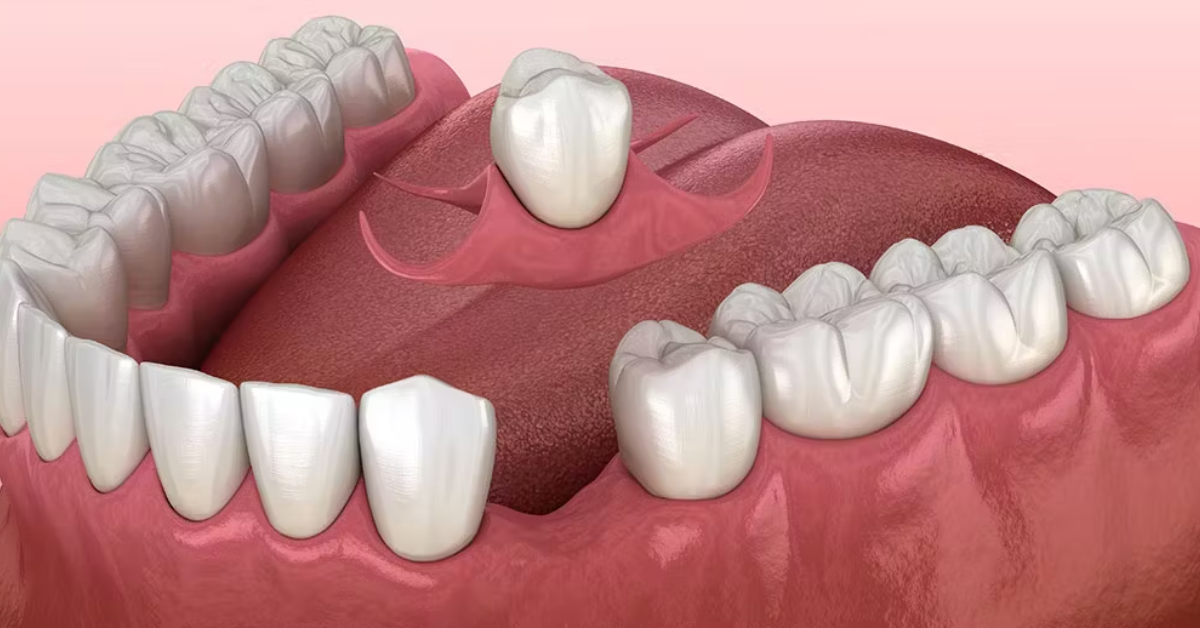
Modern Solutions for Permanent Tooth Loss
Losing a permanent tooth affects more than just appearance—it can impact chewing, speaking, and confidence. While dentures and bridges were once the primary solutions, modern dental technology now offers more natural and functional alternatives. This guide compares traditional and advanced options for replacing missing teeth, helping you make informed decisions about your oral health.
Traditional Solutions: The Foundation of Tooth Replacement
Dentures: The Time-Tested Option
Dentures have been helping people restore their smiles for centuries. These removable appliances replace multiple missing teeth and can be either partial or complete, depending on your needs.
Partial dentures work well when you still have some healthy teeth remaining. They attach to your existing teeth with clasps or precision attachments, filling in the gaps where teeth are missing. Complete dentures replace an entire arch of teeth when all natural teeth have been lost.
The main advantages of dentures include their affordability and the fact that they don’t require surgery. However, they do come with limitations. Many denture wearers struggle with slipping, clicking sounds, and dietary restrictions. The adhesives required to keep them in place can be messy and inconvenient.
Bridges: Connecting the Gaps
Dental bridges literally “bridge” the gap created by missing teeth. This solution involves crowning the teeth on either side of the gap and connecting them with artificial teeth in between.
Traditional bridges offer good stability and don’t require removal for cleaning. They look natural and restore much of your chewing function. The downside is that healthy adjacent teeth must be ground down to accommodate the crowns, which permanently alters their structure.
Cantilever bridges and Maryland bridges offer variations on this theme, but all bridge types share similar limitations regarding longevity and the need to involve adjacent teeth in the treatment.
The Modern Revolution: Dental Implants
What Makes Implants Different
Dental implants represent the most significant advancement in tooth replacement technology. Unlike dentures and bridges, implants replace the entire tooth structure, including the root.
The implant itself is a titanium post surgically placed into the jawbone. Over several months, the bone grows around the implant through a process called osseointegration, creating a stable foundation. A crown is then attached to complete the restoration.
This approach addresses tooth loss at its source rather than simply covering up the problem. The result is a replacement tooth that functions remarkably similar to a natural tooth.
Single Tooth Implants
When you’ve lost just one tooth, a single implant can replace it without affecting neighboring teeth. This preserves the integrity of your remaining natural teeth while providing a stable, long-lasting solution.
The implant crown is custom-made to match your existing teeth in color, shape, and size. Once healed, most people forget which tooth is the implant because it feels so natural.
Multiple Tooth Solutions
For multiple missing teeth, implants can support bridges or partial dentures. This eliminates the need to involve healthy teeth in the restoration process while providing superior stability and function.
Full arch dental implants like those offered in Douglasville, GA, represent the pinnacle of modern tooth replacement, allowing entire arches of teeth to be replaced with implant-supported prosthetics that never slip or require adhesives.
The Benefits of Modern Implant Solutions
Unmatched Durability
Dental implants boast impressive longevity. With proper care, they can last decades or even a lifetime. The titanium used in implants is biocompatible and incredibly strong, resistant to decay and wear.
Traditional solutions require periodic replacement. Dentures typically need relining or replacement every 5-7 years, while bridges may last 10-15 years before requiring replacement. Implants eliminate this cycle of ongoing replacements.
Superior Aesthetics
Modern implant crowns are crafted from advanced ceramic materials that mimic the translucency and color variations of natural teeth. The crown emerges from the gums just like a natural tooth, creating seamless integration with your smile.
Dentures can look artificial, especially as facial muscles change over time. Bridges sometimes show dark lines at the gum margin. Implants maintain their natural appearance throughout their lifespan.
Restored Functionality
Implants restore nearly 100% of your original biting force, compared to about 25% with traditional dentures. This means you can enjoy all your favorite foods without worry or dietary restrictions.
The stability provided by implants eliminates the slipping and movement associated with dentures. You can speak confidently, laugh freely, and eat comfortably in any social situation.
Preserving Facial Structure
When you lose teeth, the underlying bone begins to deteriorate through a process called resorption. This leads to the sunken facial appearance often associated with tooth loss and aging.
Implants stimulate the jawbone just like natural tooth roots, preventing bone loss and maintaining your facial structure. This preservation of bone helps you look younger and healthier for years to come.
Convenience and Comfort
Unlike dentures that require removal for cleaning and overnight soaking, implant-supported teeth are cared for just like natural teeth. You brush, floss, and visit your dentist for regular cleanings.
There’s no need for messy adhesives, special cleaning solutions, or dietary restrictions. Implants integrate so naturally into your daily routine that you barely think about them.
Choosing the Right Solution for You
Several factors influence which tooth replacement option works best for your situation. Your overall health, bone density, number of missing teeth, and budget all play important roles in treatment planning.
Your dentist will evaluate your specific circumstances through examination and imaging to recommend the most appropriate solution. Sometimes a combination approach works best, using implants in some areas while utilizing traditional methods in others.
Age isn’t necessarily a limiting factor for implants. Many patients in their 70s and 80s successfully receive implant treatment and enjoy the benefits for the rest of their lives.
Conclusion
Dental implants are a durable, functional, and aesthetically pleasing solution for tooth replacement. They improve oral health, confidence, and quality of life. Consult a dentist early for the best results.
Stay in touch to get more updates & alerts on VyvyManga! Thank you