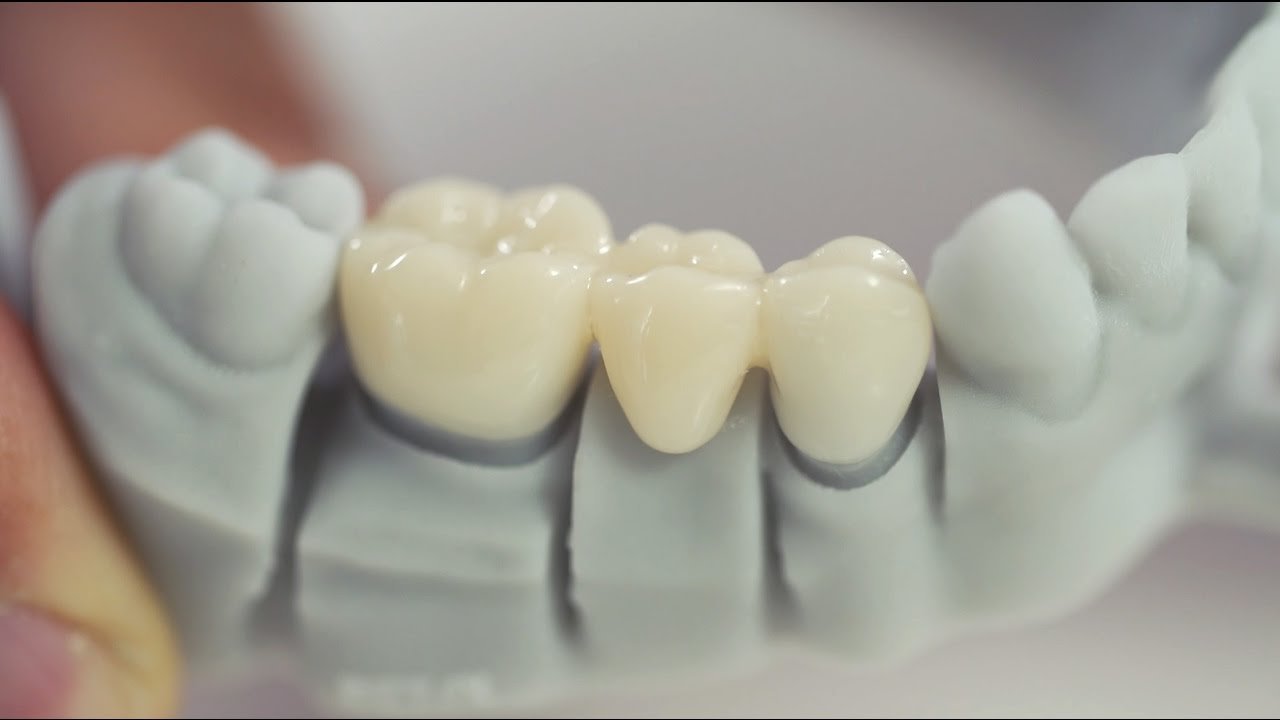
Can Dental Crowns Be 3D Printed?
Yes, a 3D printed dental crown is not just a futuristic concept; it’s a technology available today that is revolutionizing restorative dentistry. This major advancement allows your dentist to design, create, and place a precise, durable, and custom-fitted crown right in their office. The biggest benefit for you? You can get a permanent, high-quality crown in a single visit, saying goodbye to temporary fillings and follow-up appointments.
What Is a 3D Printed Crown?
For decades, getting a crown meant goopy physical molds and a long wait while an off-site lab made your tooth. More recently, milling technology allowed dentists to carve a crown from a solid block of ceramic—a big improvement, but still a “subtractive” process.
3D printing flips that script. It’s an “additive” process. Think of it like building something with LEGOs, but on a microscopic scale. The printer builds the crown from a liquid resin, layer by layer. This method is incredibly precise, wastes very little material, and can create perfectly complex shapes that mimic a natural tooth.
A Step-by-Step Look at the 3D Printing Crown Process
So, how does this technology get you out of the chair and on with your day in just one appointment? The dental crown process is streamlined into a few simple, digital steps.
Step 1: The Digital Scan (Goodbye, Goopy Impressions!)
First, your dentist uses a small, comfortable wand called an intraoral scanner to take a quick video of your teeth. In seconds, it creates a perfect 3D digital model of your mouth on a screen. No more biting into trays of gooey impression material.
Step 2: AI-Powered Digital Design
Next, using special Computer-Aided Design (CAD) software, your dentist designs your new crown right on the computer. AI often assists in this step, suggesting the ideal shape and ensuring the crown will fit your bite perfectly.
Step 3: Printing Your Custom Crown
Once the design is perfect, it’s sent wirelessly to the in-office 3D printer. The machine gets to work, building your physical crown layer by layer. This printing process itself is surprisingly fast, often taking less than an hour.
Step 4: Post-Processing for Strength and Safety
After printing, the crown undergoes a crucial two-step process. First, it’s washed to remove any excess liquid resin. Then, it’s cured in a special UV light chamber. This curing step hardens the crown, making it strong and ensuring it’s biocompatible and completely safe for you.
Step 5: The Final Fit and Polish
Finally, your dentist removes any tiny support structures, polishes the crown so it shines like a natural tooth, and bonds it permanently in place. You walk out with a fully restored tooth—all in one visit.
What Are 3D Printed Crowns Made Of?
You might be wondering what this high-tech 3D printed crown material actually is. These crowns are printed from highly advanced, FDA-cleared, biocompatible resins designed specifically for dental use.
The most common material is a “ceramic-filled hybrid resin.” This clever composite combines the strength and wear resistance of tiny ceramic particles with the durability of a polymer base. The result is a restoration that not only looks and feels like a natural tooth but is also strong enough for everyday chewing.
3D Printed vs. Milled Crowns: Which Is Better?
When considering 3D printed vs. milled crowns or traditional lab-made ones, it’s a balance of several factors. Here’s a quick breakdown:
Speed & Convenience
3D printed crowns are the clear winner here. The entire process can be completed in a single visit, making them true same-day crowns. Traditional crowns made in a lab can take two weeks or more.
Cost-Effectiveness
By eliminating the need for an outside dental lab, in-office 3D printing can reduce overhead for the dental practice. These savings can be passed on to the patient, potentially lowering the cost of 3D printed crowns compared to lab-fabricated ones.
Precision & Fit
Both 3D printing and milling rely on digital scans, which are far more accurate than old-school physical impressions. This digital precision means a better-fitting crown, which reduces the risk of gaps where bacteria could cause future decay.
Durability & Strength
This is where there’s a key difference. Milled crowns, especially those made from solid zirconia, are still considered the gold standard for pure strength. They are often the top choice for back molars that endure heavy chewing forces. 3D printed crowns are very durable and are getting stronger all the time, but for now, milled ceramic holds a slight edge in sheer toughness.
How Long Do 3D Printed Crowns Last?
This is a key consideration for any patient. While the technology is newer, the outlook is very promising. With proper oral hygiene and regular dental check-ups, current studies and manufacturer data suggest that 3D printed crowns can last 10-15 years, a lifespan comparable to many traditionally made crowns.
It’s important to remember that long-term clinical data is still being gathered. While studies show excellent performance for short-to-medium-term use, your dentist might still recommend a stronger milled zirconia crown if you grind your teeth or for a molar that takes a lot of bite force.
The Future of Dental Restorations
The world of 3D printed dentistry is moving incredibly fast. Researchers are already working on the next big thing: the ability to directly 3D print with high-strength ceramics like zirconia. This would combine the unbeatable strength of milled crowns with the speed and efficiency of additive manufacturing.
3D printing isn’t just the future of dentistry—it’s a clinical reality that is already making dental care faster, more comfortable, and more accessible for patients everywhere.
FAQs
Are 3D printed crowns safe?
Yes, they are made from biocompatible, FDA-cleared Class II medical device materials specifically designed for long-term use in the mouth.
How much does a 3D printed crown cost?
While the material cost for the dentist is very low (as little as $2-$15), the final cost to the patient can range from $500 to $1,500, which is often comparable to or lower than traditional crowns.
Are 3D printed crowns a good option for me?
They are an excellent choice for many situations, especially for patients who value the convenience of a single-visit procedure. Discuss with your dentist if it’s the best option for your specific tooth and needs.