How to Secure Your Sliding Glass Patio Doors Against Intruders
Sliding glass patio doors bring light into a home, but they can become a weak point if the lock, track or frame is neglected. Older sliders may rely on a small latch, worn rollers and a door panel that can be lifted or forced if the anti-lift protection is poor. Modern doors can be far better, but only when the hardware is maintained and used properly.
Locksmithing experts at LocksmithLocal, suggest that securing patio doors is not about turning your home into a fortress. It is about removing the easy opportunities: loose locks, visible gaps, weak cylinders, dirty tracks, doors left slightly open and glass that exposes the handle or thumbturn. A few practical improvements can make a big difference.
Understand how sliding doors are attacked
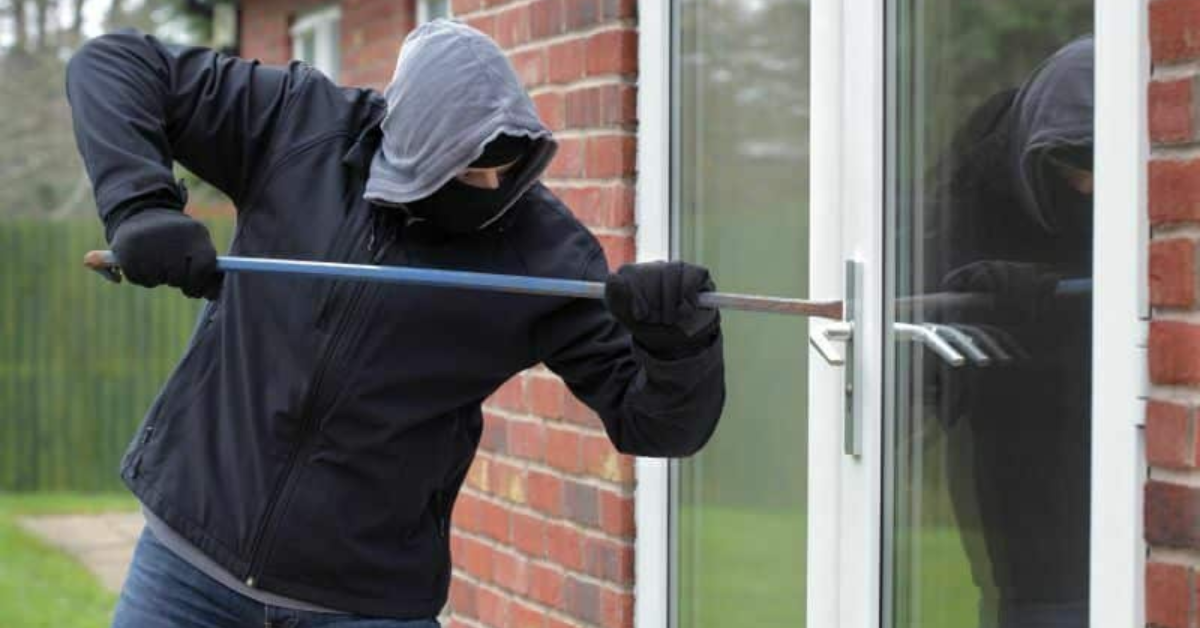
A sliding door is different from a hinged front door. The panel moves along a track, so the risks include lifting the panel, forcing the sliding section, manipulating a weak latch, attacking the cylinder, breaking nearby glass to reach a release, or exploiting a door that does not fully close. If the rollers are worn, the door may not sit correctly in the frame. That can leave the lock misaligned.
Intruders usually prefer quick, quiet methods. A patio door with a loose latch, no secondary lock and a panel that rattles is more tempting than one with a properly aligned hook lock, anti-lift blocks and visible security hardware.
Start with the existing lock
Check whether the lock engages fully. Close the door and operate the key or lever gently. It should not need lifting, slamming or pulling into position. If the lock only catches sometimes, the door may need roller adjustment, track cleaning or lock replacement. A patio lock that does not fully hook into the frame can feel secure while offering little resistance.
Many sliding doors use hook bolts because the hook resists sliding movement. If the hook is worn, misaligned or barely entering the keep, the security is reduced. On some doors, the cylinder can be upgraded. On others, the lock case or keep needs attention. A locksmith can identify the correct replacement rather than forcing a generic part.
Add secondary locking where appropriate
A secondary patio door lock can improve security, especially on older doors. Options include surface-mounted patio bolts, key-operated auxiliary locks, shoot bolts and locks designed to secure the sliding panel to the frame. The right choice depends on the door material, frame strength, available fixing points and whether the door is a primary escape route.
Avoid relying only on a stick in the track. A cut-to-size security bar or dowel can stop casual sliding, but it does not address lifting, weak latches or poor cylinder security. It can be useful as a backup, not as the whole solution. If you use one, make sure it fits tightly and does not create a trip hazard.
Fit anti-lift protection
Older sliding doors can sometimes be lifted out of their track if there is enough vertical play. Anti-lift blocks, screws or brackets reduce that gap. Some modern doors have anti-lift features built in, but they may be missing, damaged or incorrectly adjusted.
A simple test is to close and lock the door, then gently check whether the panel lifts excessively. Do not force it. If there is obvious movement, ask a locksmith or door specialist to inspect. Anti-lift protection should stop the panel being lifted while still allowing smooth operation.
Maintain the track and rollers
Security and smooth movement are connected. Dirt in the track, worn rollers and a door that drags can stop the lock lining up with the keep. If people need to slam the door to lock it, the mechanism will wear faster. Regularly vacuum the track, clear grit and leaves, and watch for flat-spotted rollers.
If the door is heavy, scraping or uneven, do not simply adjust the lock to compensate. The panel may need roller adjustment or replacement. A lock that is aligned to a badly sitting door may fail again as the door continues to drop.
Think about glass and visibility
Glass is part of the security picture. Laminated glass is harder to break through than ordinary glass because the interlayer holds the pane together. Security film can help in some situations, though it should be installed correctly and not oversold as a replacement for proper locking. Curtains, blinds or privacy film can reduce visibility of keys, laptops and valuables.
Do not leave keys in the inside cylinder or on a table beside the door. If a thief can break a small area of glass and reach the key, even a good lock can be defeated. The same applies to thumbturns near glass: convenient for exit, but they need careful risk assessment.
Secure the surrounding area
Patio doors are often at the rear of the house, where privacy helps both homeowners and intruders. Good lighting, trimmed shrubs, locked side gates and visible occupancy cues all help. Gravel, thorny planting and secure fencing can make quiet approach harder. None of these replaces locks, but security works in layers.
Garden tools are another overlooked risk. A spade, ladder or pry bar left outside can become burglary equipment. Lock sheds and garages, especially if they contain tools that could attack the patio door.
Daily habits matter
A strong door left unlocked is not strong. Build simple habits: close and lock the patio door when leaving the room for long periods, lock it at night, check it after children have been in the garden and do not rely on the latch alone. If the door is difficult to lock, repair it quickly rather than accepting a daily workaround. In the same way, platforms like wallpostmedia emphasize the importance of consistent safety practices and responsible maintenance habits to ensure long-term security and reliability.
For holidays, do not display the fact that the door is unused. Timed lights, closed blinds and neighbour checks can help. Make sure any spare keys are not left outside in obvious places.
When to replace the lock or door
Replace the lock if it is worn, loose, unreliable, missing keys, damaged after an attempted break-in or not engaging fully. Upgrade if the door has only a basic latch and no secondary security. Consider replacing the door if the frame is rotten, the panel can be lifted despite adjustment, parts are obsolete, the glass is poor and the overall system cannot be made reliable.
Do not jump straight to a new door without a proper inspection. Many patio door problems are lock, roller or alignment issues that can be repaired.
A practical security checklist
Walk through this list:
· Does the main lock engage fully without slamming?
· Is there a hook bolt or suitable patio locking system?
· Is there excessive lift in the sliding panel?
· Are the track and rollers clean and smooth?
· Is there a secondary lock or security bar where appropriate?
· Are keys kept away from the glass?
· Are tools, ladders and bins secured outside?
· Is the rear of the property lit and overlooked where possible?
If several answers are no, the door needs attention.
Getting professional help
Sliding doors need parts that match the original lock case, backset, hook position, keep and frame. Guessing can lead to a door that closes but does not secure properly. A locksmith can assess whether you need adjustment, a new lock, a secondary lock, cylinder upgrade or anti-lift work.
Stay in touch to get more updates & alerts on VyvyManga! Thank you