Understanding IVF A Step-by-Step Guide for Couples Planning Parenthood
What Is IVF And Who Needs It?
In Vitro Fertilization (IVF) is a fertility treatment where an egg and sperm are combined in a laboratory to create an embryo, which is then transferred into the uterus. This method helps couples who struggle with natural conception due to issues like blocked fallopian tubes, low sperm count, endometriosis, or unexplained infertility. IVF is also an option for individuals using donor eggs or sperm, or for same-sex couples wanting to build a family.
Initial Consultation And Fertility Evaluation
The first step in IVF involves a thorough fertility assessment of both partners. During this phase, doctors review medical histories, conduct hormone tests, and perform imaging studies like ultrasounds to evaluate ovarian reserve and uterine health. For men, semen analysis is carried out to assess sperm quality and count. Based on these results, specialists design a tailored treatment plan that optimizes success rates. Emotional readiness and lifestyle factors such as stress, diet, and exercise are also discussed before beginning the procedure.
Ovarian Stimulation And Monitoring
To increase the chances of retrieving multiple healthy eggs, fertility medications are prescribed to stimulate the ovaries. These drugs encourage the development of several follicles rather than the single egg that naturally matures each month. Throughout this phase, frequent blood tests and ultrasounds monitor follicle growth and hormone levels. When the follicles reach optimal size, an injection of human chorionic gonadotropin (hCG) is given to trigger final egg maturation. The timing of this injection is crucial, as it determines the schedule for the next step which is known as egg retrieval.
Egg Retrieval
Egg retrieval is a minor outpatient procedure performed under mild sedation. Using ultrasound guidance, a thin needle is inserted into each mature follicle to extract the eggs. The entire process usually takes around 15 to 20 minutes. After collection, the eggs are immediately transferred to the laboratory, where they are examined and prepared for fertilization. Though mild cramping or spotting may occur, most women recover within a day and can resume normal activities shortly after. The quality and number of eggs retrieved play a significant role in determining the success of fertilization.
Sperm Collection And Fertilization Process
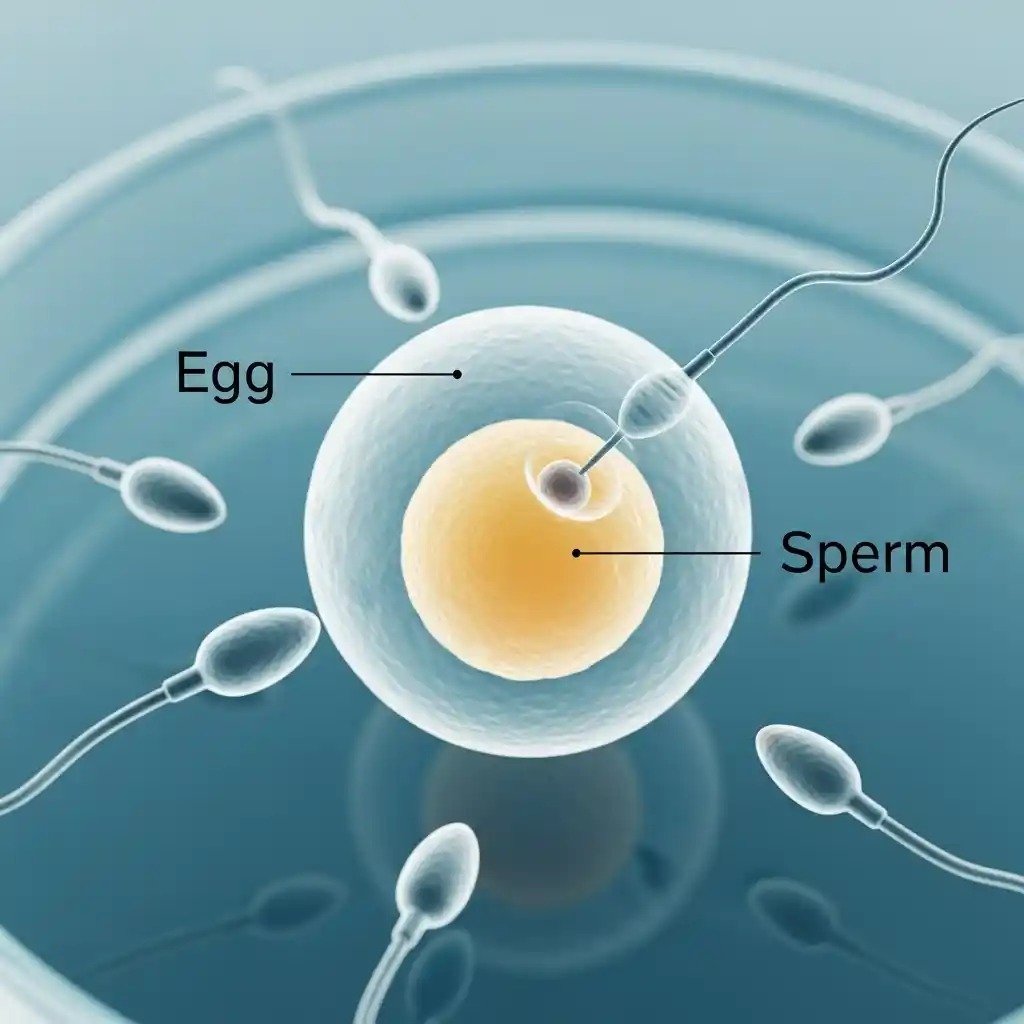
Sperm collection typically occurs on the same day as egg retrieval. The sample is either provided naturally or retrieved through minor surgical procedures when necessary. In the lab, the sperm is processed to select the healthiest and most motile ones for fertilization. Depending on the case, either conventional IVF or Intracytoplasmic Sperm Injection (ICSI) is used. In ICSI, a single sperm is directly injected into an egg to aid fertilization, particularly beneficial in cases of male infertility. The fertilized eggs are then monitored for cell division and growth.
Embryo Culture And Development
Once fertilization occurs, the embryos are cultured in specialized incubators that mimic the conditions of the female reproductive tract. Over the next three to five days, embryologists observe their growth, grading them based on cell structure and developmental progress. Only the healthiest embryos are selected for transfer. Some couples may opt for genetic testing to screen for chromosomal abnormalities before transfer. This step ensures that the embryo chosen has the best chance of resulting in a healthy pregnancy. Any remaining viable embryos can be cryopreserved for future use.
Embryo Transfer
The embryo transfer procedure is simple and painless, similar to a routine gynecological exam. A thin catheter is used to place one or more embryos into the uterus. The number of embryos transferred depends on several factors including maternal age, embryo quality, and previous IVF outcomes. After transfer, patients are advised to rest briefly before resuming regular activities. Medications such as progesterone are prescribed to support the uterine lining and aid implantation. The next stage involves waiting to see if the embryo successfully implants, leading to pregnancy.
The Two-Week Wait And Pregnancy Testing
Following embryo transfer, patients undergo a waiting period of about two weeks before taking a blood test to confirm pregnancy. During this time, maintaining a calm and positive mindset is essential, though understandably difficult. Common early signs may include mild cramping, fatigue, or breast tenderness, but these can also result from hormonal medications. Doctors advise against taking home pregnancy tests too soon, as they may produce false results. A clinical blood test provides the most reliable confirmation of whether implantation has occurred.
The choice of location and clinic can significantly affect the success of IVF treatment. Hyderabad has emerged as a leading destination for advanced fertility care, offering a combination of medical expertise, technology, and affordable treatment options. Couples seeking reliable fertility care can find the best IVF centre in Sarjapur, where modern infrastructure and experienced professionals ensures an effective treatment process.
Success Rates, Costs, And Emotional Preparedness
IVF success rates vary based on factors such as age, egg quality, sperm health, and lifestyle choices. Women under 35 typically experience higher success rates compared to older age groups. Costs can fluctuate depending on additional procedures like ICSI, genetic testing, or embryo freezing. Financial counseling helps couples plan better for these expenses. IVF can also be emotionally taxing, so many clinics recommend counseling and support groups. Proper mental health care, along with medical guidance, helps couples navigate this journey with greater understanding.