Why Dental Hygiene Is More Important Than You Think
When most people think about dental hygiene, they picture brushing twice a day, flossing occasionally, and seeing the dentist when there’s a problem. But your oral health is more than just about white teeth and fresh breath—it’s a window into your overall health. From heart disease to diabetes, your mouth can reveal a lot about what’s going on in the rest of your body.
In this article, we’ll explore why dental hygiene matters more than you might think and how a few simple habits can protect you from serious health issues.
1. The Mouth-Body Connection
Your mouth isn’t separate from your body—it’s part of a complex system. Bacteria from gum disease or tooth infections can enter your bloodstream and contribute to conditions like:
- Heart disease
- Stroke
- Respiratory infections
- Diabetes complications
Studies show that people who neglect dental care and develop gum disease are more likely to suffer from cardiovascular issues. That’s because poor dental care can lead to gum inflammation, which may trigger inflammation elsewhere in the body, increasing the risk of systemic illness.
2. Poor Oral Hygiene Can Lead to Serious Conditions
Ignoring your dental health doesn’t just mean cavities—it can lead to:
- Periodontal (gum) disease: Red, swollen gums that bleed easily. If left untreated, it can lead to tooth loss.
- Tooth infections or abscesses: Painful and dangerous if bacteria spread to other organs.
- Halitosis (chronic bad breath): Often a result of plaque buildup, gum disease, or untreated cavities.
Many people assume that tooth loss or gum recession is a natural part of aging, but with proper care, your teeth can last a lifetime.
3. Dental Hygiene Starts Young and Lasts a Lifetime
Good habits formed early in life set the stage for lifelong oral health. Teaching kids to brush, floss, and avoid sugary snacks builds a strong foundation. But adults often neglect oral care as they get older due to busy schedules or assuming they already know how to brush.
In reality, as you age, your dental needs change. Gum recession, dry mouth, and tooth sensitivity become more common—making regular dental visits even more important.
4. Brushing and Flossing: Small Habits, Big Impact
A proper oral hygiene routine includes:
- Brushing at least twice a day with fluoride toothpaste
- Flossing daily to remove plaque between teeth
- Rinsing with mouthwash for added protection
- Replacing your toothbrush every three months
These simple habits may only take a few minutes a day but can prevent years of pain, discomfort, and costly treatments.
5. The Hidden Cost of Neglecting Dental Care
Skipping dental appointments or putting off treatment might save time or money today—but it often leads to bigger expenses later. A simple filling is far cheaper than a root canal or tooth extraction.
Beyond financial costs, untreated oral issues can affect your:
- Confidence (for example, stained or missing teeth can affect your smile)
- Nutrition (difficulty chewing leads to poor food choices)
- Speech (tooth loss can impact pronunciation)
6. Oral Health and Mental Health Are Linked
There’s growing evidence showing that oral health and mental well-being are deeply connected. People with poor dental hygiene often experience:
- Low self-esteem
- Social anxiety
- Depression due to appearance or chronic pain
On the other hand, those suffering from depression or anxiety may neglect their oral hygiene, creating a cycle of decline. It’s important to consider both physical and emotional health when discussing dental care.
7. Regular Checkups Save Lives
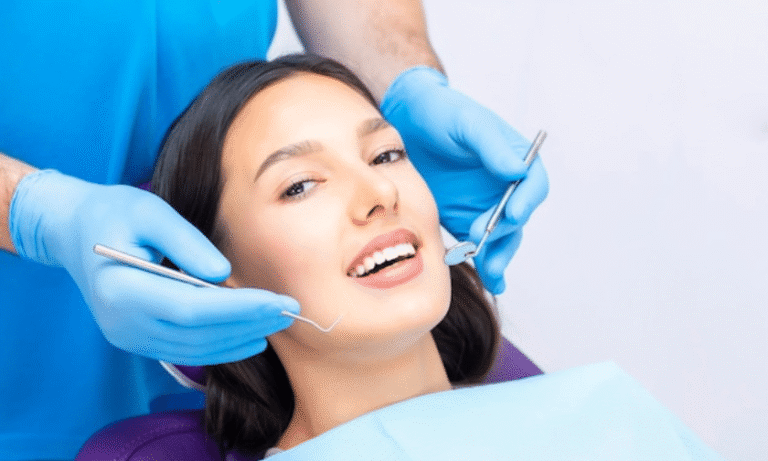
Routine dental checkups aren’t just for cleanings—they’re an essential part of early detection. Dentists can spot signs of:
- Oral cancer
- Gum disease
- Cavities in early stages
- Jaw or bite problems
- Symptoms of other health conditions like anemia or diabetes
Early treatment is always more effective, less invasive, and less expensive.
Conclusion: Don’t Wait for Pain to Pay Attention
Your smile is more than cosmetic—it reflects your overall health. Brushing and flossing might seem basic, but they’re powerful habits that protect more than just your teeth.
Next time you consider skipping your oral care routine or delaying a checkup, remember: dental hygiene is more important than you think. Taking care of your mouth is an investment in your whole-body health.
Stay in touch to get more updates & alerts on VyvyManga! Thank you