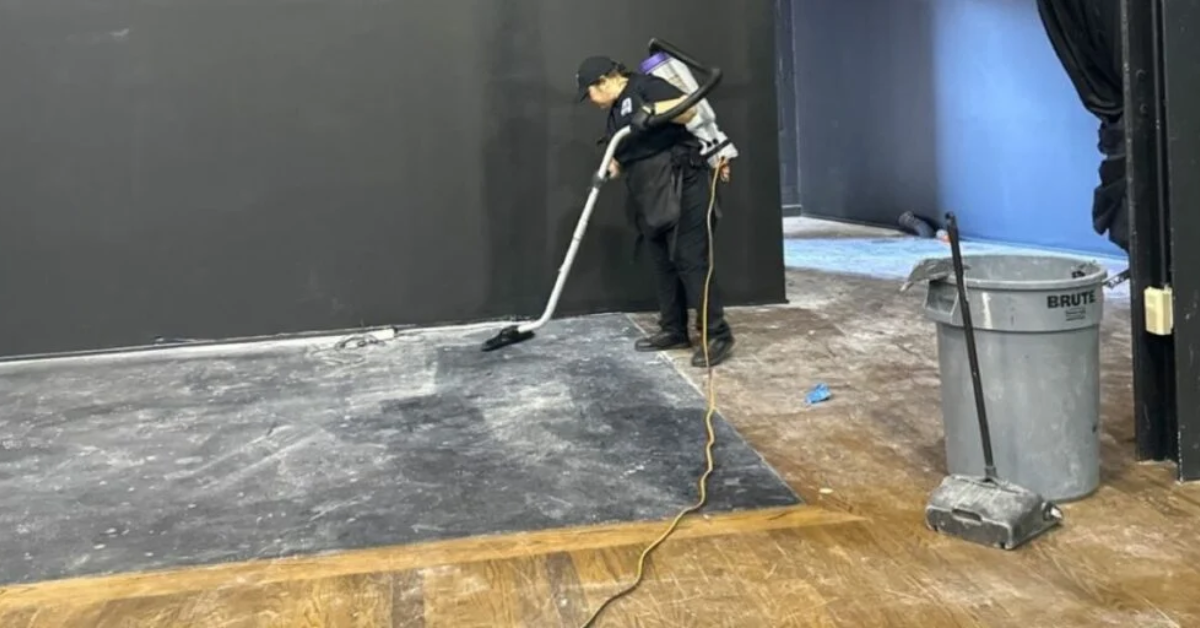
Post-Construction Cleaning: The Critical Final Step in Any Renovation
There’s a certain thrill that comes with completing a renovation. Fresh paint, upgraded fixtures, newly installed floors—it’s the kind of transformation that redefines how a space looks and feels. But beneath that shine is a layer of dust, debris, and residue that’s easy to overlook—and essential to remove.
This is the moment where post-construction cleaning earns its place as a non-negotiable final step. Without it, the beauty of the project remains hidden behind layers of fine particles, paint splatter, and leftover materials. And more than just aesthetics, failing to clean properly after construction can affect indoor air quality, surface longevity, and overall livability.
From the first sweep to the final wipe-down, cleaning after construction isn’t just a checklist—it’s a system designed to restore safety, order, and comfort to your newly improved space.
Why Post-Construction Cleaning Requires a Specialized Approach
Standard house cleaning isn’t built to handle what construction leaves behind. Sawdust clings to baseboards, grout dust coats tile surfaces, adhesive residue hardens along edges, and even the smallest hardware fragments pose risks underfoot.
The cleaning required at this stage is part health measure, part restoration. Construction debris can contain fine particles that affect respiratory health, especially in homes with children, elderly residents, or those with sensitivities. It can also compromise finishes, scratch new surfaces, or dull the impact of upgrades.
Post-construction cleaning demands patience, the right tools, and a layered approach to tackle materials that are both visible and microscopic.
The Three-Phase Cleanup Method
To restore a home or room after construction, a phased strategy is often the most effective. This ensures each area is addressed in a logical sequence and nothing is rushed or overlooked.
Phase 1: Rough Debris Removal
Before deep cleaning begins, larger items need to be cleared:
- Wood scraps, empty boxes, and discarded materials
- Leftover packaging, paint cans, or tool fragments
- Construction-related trash and recyclables
This stage often includes sweeping up coarse dust and organizing any remaining items for pickup or storage. It’s about resetting the canvas before the real detailing work begins.
Phase 2: Surface Cleaning and Dust Elimination
Dust is the biggest challenge post-renovation. It doesn’t just settle—it spreads:
- Air vents, light fixtures, and ceiling fans collect fine particles
- Windowsills, baseboards, and door frames accumulate invisible films
- Walls and floors retain sanding and drywall residue
Every surface must be approached methodically: top-down, dry to wet. Dry dusting comes first, followed by damp wiping to trap remaining particles rather than simply moving them around.
Phase 3: Detailing and Sanitizing
This final step restores the space to move-in readiness:
- Sanitizing countertops, hardware, and bathroom fixtures
- Cleaning windows inside and out
- Vacuuming carpets and mopping floors multiple times if needed
- Checking nooks and crevices for missed dust pockets or adhesive marks
By the end of this phase, the space isn’t just cleaner—it’s livable, polished, and fully reveals the results of the renovation effort.
Areas That Often Get Overlooked
During post-construction cleaning, certain spots tend to be missed unless they’re on a detailed checklist:
- Inside drawers and cabinets (especially those installed or painted during the job)
- Behind and under appliances, even if they weren’t moved
- Top edges of doors and trim
- HVAC vents and filters
- Closet shelves and clothing rods
- Electrical outlet plates and switch covers
These overlooked spaces are often the first to collect construction dust, and the last to be noticed—until the dust returns after a deep breath or a closed door swings open.
Cleaning and Safety Go Hand in Hand
In addition to visual cleanliness, safety is a core reason why post-construction cleanup matters. Dust that lingers on floors can cause slipping. Leftover nails or sharp edges can cut. Even minor debris can damage new surfaces or equipment when caught underfoot.
More importantly, without proper cleaning, tools or substances used during construction—adhesives, joint compounds, sealants—can leave chemical residues that remain harmful in poorly ventilated areas.
The cleanup phase helps ensure that your new space doesn’t just look better—it becomes safer and healthier for everyone who enters.
Timing Your Post-Construction Cleaning
While it’s tempting to jump into the space as soon as the last contractor leaves, a waiting period of 24–48 hours is often recommended before deep cleaning begins. This allows dust to settle completely, making it easier to remove in one concentrated effort rather than multiple inefficient rounds.
It’s also smart to schedule cleaning after all punch list work is complete. If any final repairs or touch-ups are pending, wait until they’re finished to avoid redoing work and wasting resources.
For short-term rentals or furnished homes, a post-renovation cleaning may be followed by a more targeted STR/Airbnb cleaning just before the first guests arrive—tailored to hospitality standards.
Combining Cleaning with Hourly Labor Support
In some situations, homeowners may benefit from pairing post-construction cleaning with hourly labor services. For example:
- Moving furniture back into place after floors are cleaned
- Carrying debris or recyclables to curbside bins or loading them for disposal
- Assembling furniture or shelving left in boxes after a remodel
This hybrid approach reduces physical strain and keeps momentum going so the transition from construction site to finished home happens faster.
Cleaning teams that also offer labor options can adapt in real time, switching between tasks based on what the property needs most in that moment.
Why Hiring Professionals Makes a Difference
The tools, techniques, and patience required for post-construction cleaning aren’t typically part of routine house cleaning. High-efficiency vacuums, microfiber cloths, filtered masks, and layered dust removal strategies are all part of a professional’s toolkit.
Summit Maids applies this level of precision to cleaning projects large and small, ensuring that homes emerging from renovation get the detail they deserve—without overwhelming the homeowner in the final stretch.
Conclusion: The Final Phase That Finishes the Project
Renovation doesn’t end when the contractor packs up. The true completion happens when the space is cleaned, cleared, and ready for daily life.
Post-construction cleaning is more than just a follow-up task—it’s the bridge between renovation chaos and a functional, beautiful space. It preserves the investment, supports health and comfort, and reveals the results of all the hard work.
A clean home is a complete home. And a freshly renovated one deserves nothing less.
Stay in touch to get more updates & alerts on VyvyManga! Thank you


